
Schenectady Windows: Replacement Windows, Patio Doors & Glass
Residential and commercial window and door replacement across Schenectady County, priced from the wall in, with free measured quotes.
Siding tested before it is cut·Permits filed at 105 Jay Street·Free measured quote, openings priced individually·Written workmanship warranty on every install
Window replacement in Schenectady starts with a question most quotes skip: what is on the wall in front of the window. Roughly four in five housing units in this city were built in 1969 or earlier, and a great many of the wood-frame ones were re-clad in asbestos-cement shingle during the boom decades after the war. That single fact decides whether a job stays inside the room or turns into regulated exterior work.
So we sort the work before we price it. Insert units in vinyl or pultruded fiberglass go into sound original jambs from the interior, stops off, perimeter foamed and sealed, casing back. Full-frame units, sill pans, new brickmould and flashing belong on brick and stone openings and on anything already stripped. Sash packs, insulated glass swaps and rescreening handle the rest.
The rest is ordinary and we are specific about it: argon between the panes, a warm-edge spacer at the perimeter, soft-coat low-e on the inboard surface, U-factors that clear the 0.30 the state code asks of a replacement in Climate Zone 5A, patio sliders and French and entry doors, storefront glass downtown, and honest advice about the jobs where spending nothing is the right call.
Our Window Services in Schenectady, NY
Energy-Efficient Windows
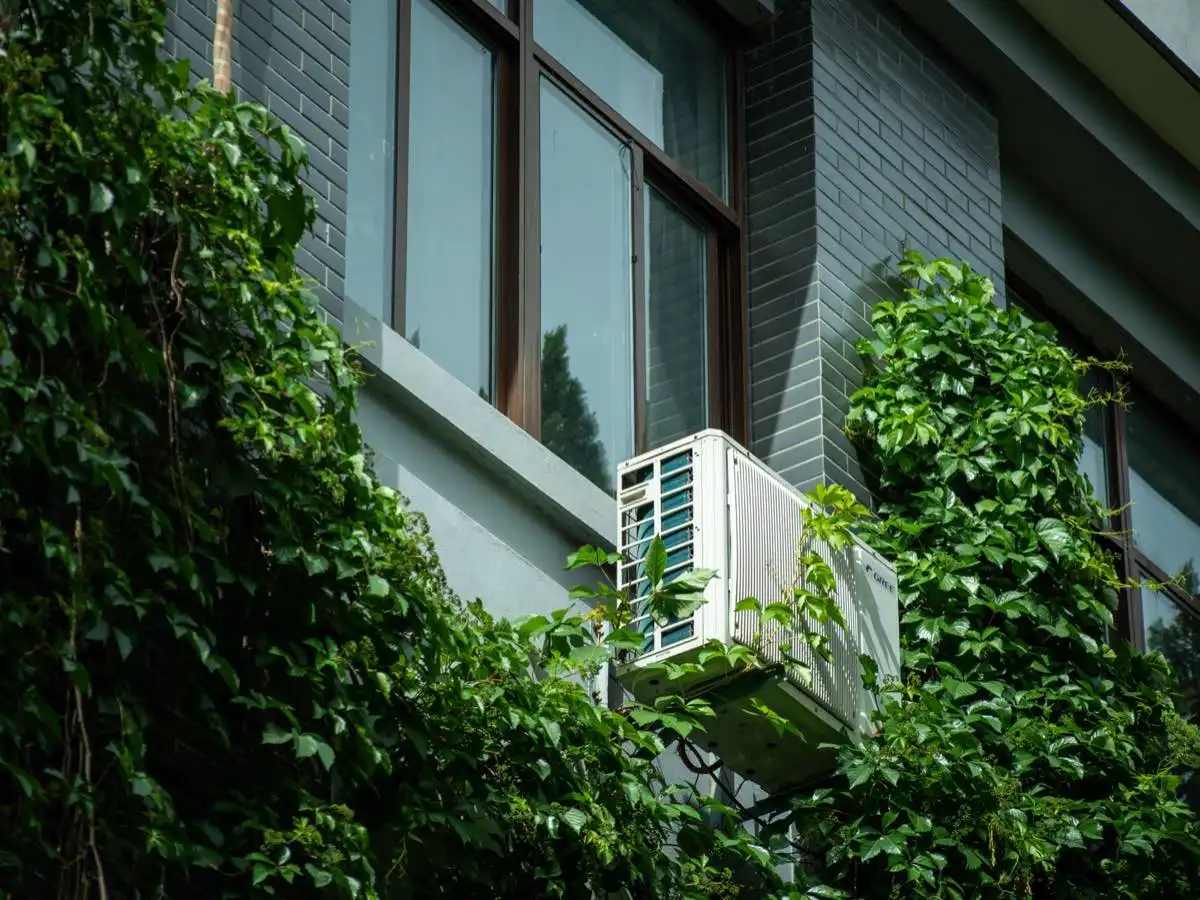
Schenectady County sits in Climate Zone 5A, and a normal year at the Albany station runs 6,357 heating degree days. That number sells a great deal of glass in this valley.
Vinyl Replacement Windows
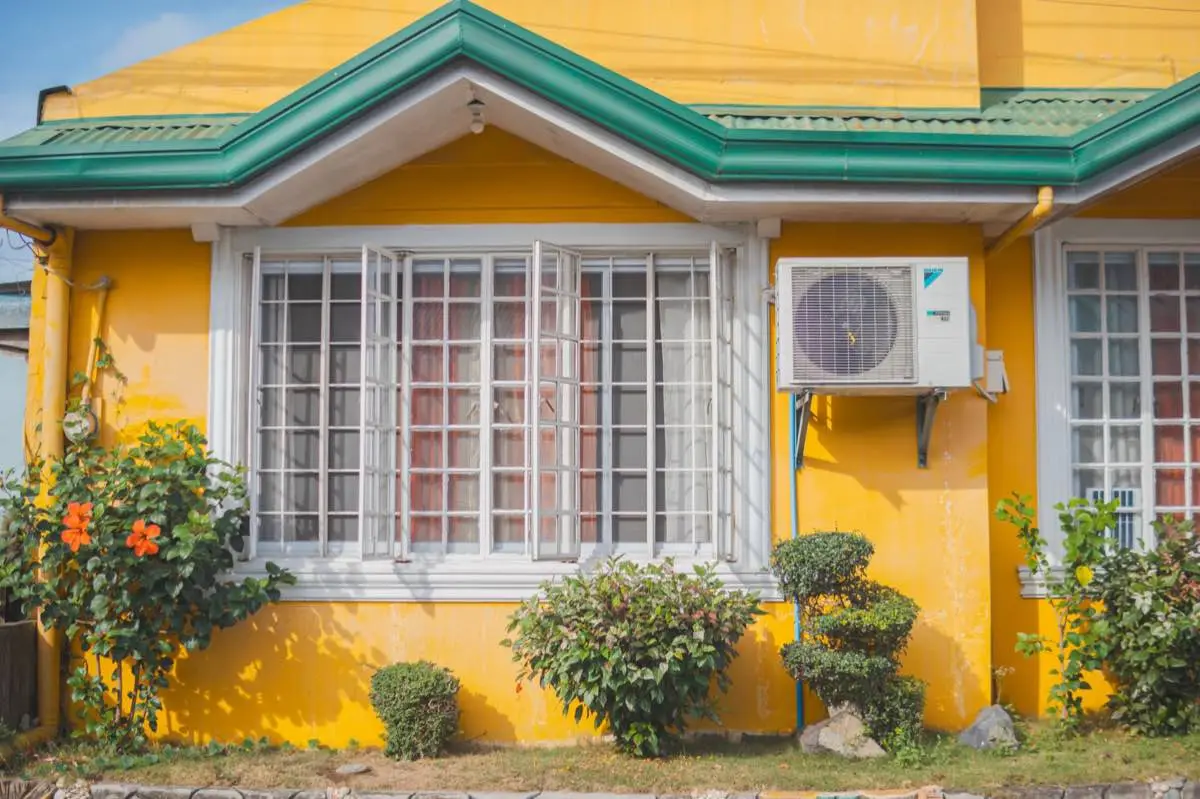
Vinyl is the workhorse in this city, and not for the reason the brochures give. It is the workhorse because a decent vinyl insert lets us finish a window without touching the outside of the building, and in Schenectady that is worth more than any single spec on the sheet.
Fiberglass Windows
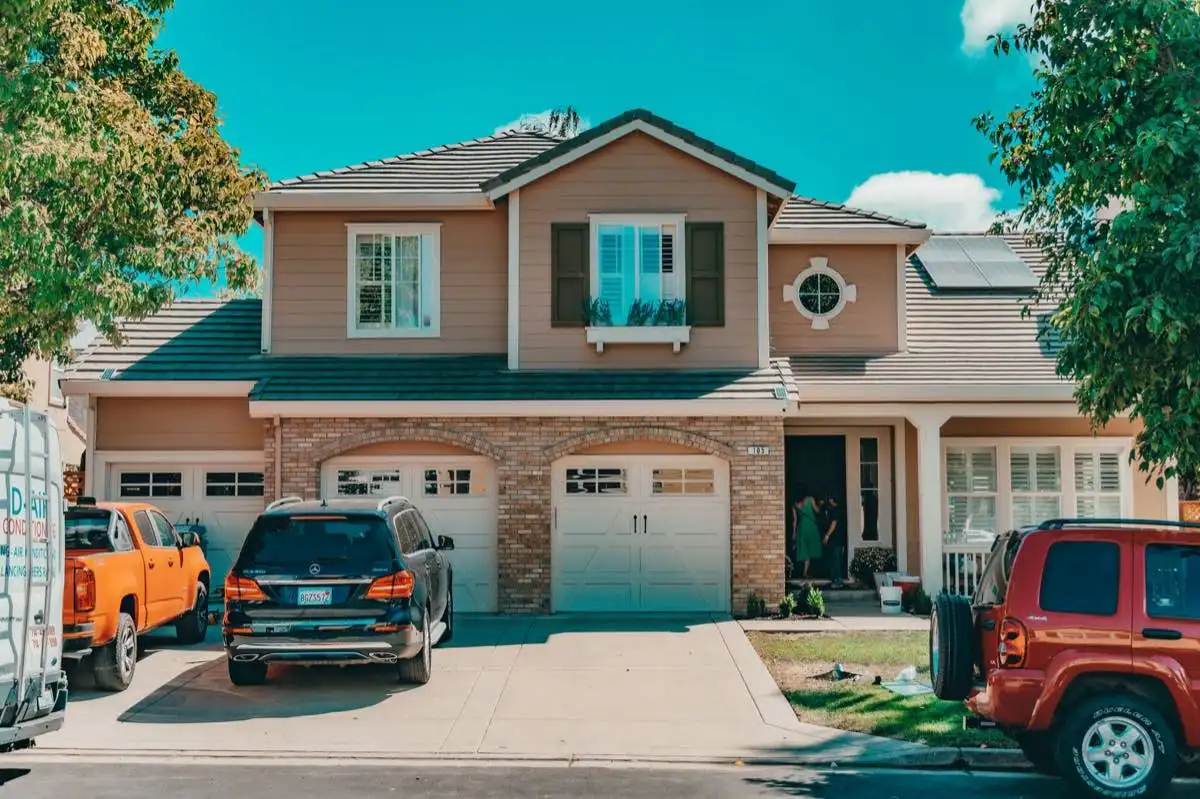
Fiberglass earns its price on a narrow set of openings, and this valley has more of them than most places. The boom-era flats were built with tall, slender windows, and that proportion is exactly where a thick frame does the most damage.
Wood & Clad-Wood Windows
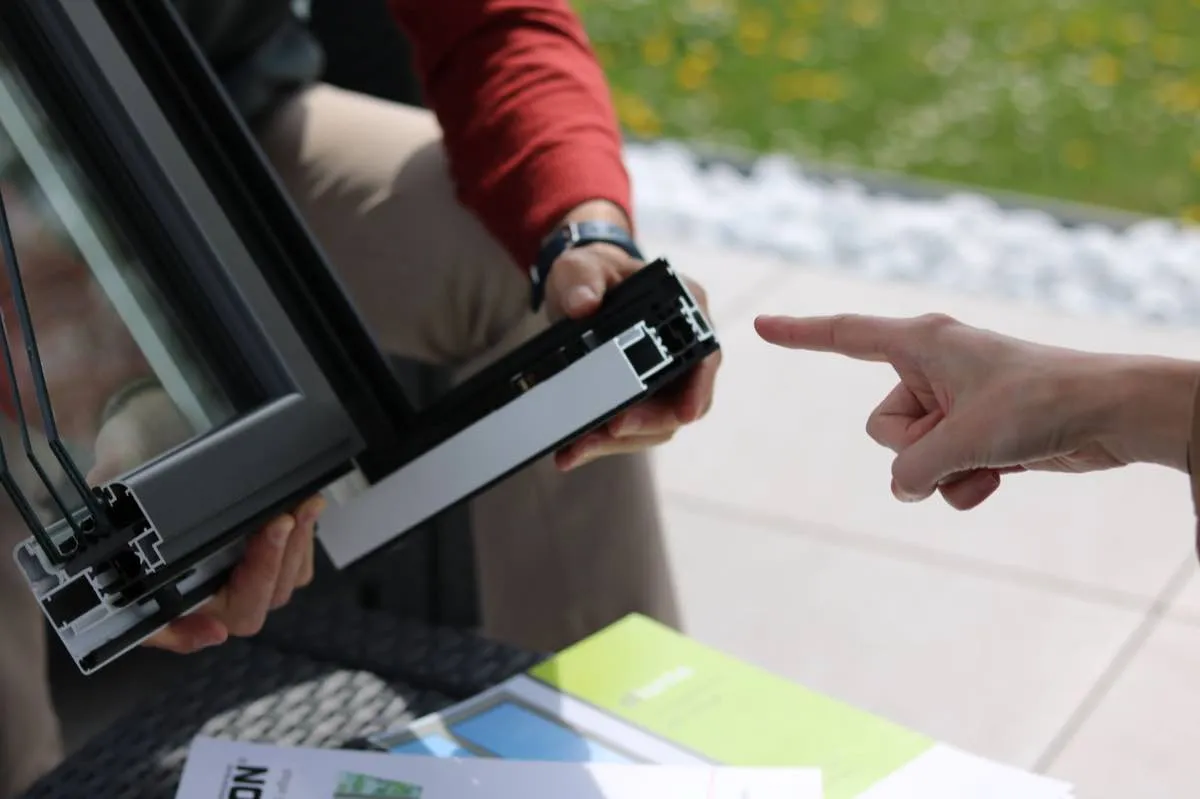
This is the page where the usual advice on this site reverses. Everywhere else we argue for staying inside the wall.
Aluminum Window Frames
We install aluminum, and we install almost none of it on houses. That is a deliberate position rather than a shortage of product, and it comes down to what aluminum does at six thousand three hundred heating degree days.
Double-Hung Windows
There is a reason the double hung became this city's default window, worth knowing before you replace one. Rooms in the boom-era flats are tall, narrow and stacked, and a sash that slides vertically ventilates a deep room without swinging into a side yard four feet away.
Casement & Awning Windows
Cranked windows seal better than sliding ones. Hardware draws a casement or awning sash onto a compression gasket, much the way a refrigerator door is, while a double hung has to rely on weatherstrip that permits the sash to slide.
Sliding Windows
Sliders get treated as the budget option, which they are, but that is not the only reason to buy one. On a wide opening a slider gives up less glass to an insert conversion than any other operating style.
Bay & Bow Windows
Bays and bows are the one category where we spend most of our time talking people out of the version they asked for. Rebuilding an existing bay in place is usually a good project here.
Picture & Architectural Windows
Nobody earns much selling fixed glass, which is why the best value in this trade is also the least promoted. With no sash, balance or weatherstrip, a picture unit has the lowest air leakage and best U-factor per dollar we install.
Egress & Basement Windows
Egress is the one job on this site that cannot stay inside the wall. Every other page here argues for keeping the exterior closed.
Impact & Security Glazing
Let us deal with the obvious question first. No wind-borne debris region reaches Schenectady County, and no code in force here asks a house for missile-rated glazing or a rated design pressure.
Patio & Sliding Glass Doors
Of every opening in a house, the patio slider is usually the widest, and width changes the calculation here. A six-foot unit has a perimeter around the rough opening of roughly thirty-two linear feet.
French Doors
French doors are usually bought for the look and then lived with for the geometry. In a heating climate with real snow, the swing direction is the decision that determines whether you like them in February, and it is the one question most showrooms do not ask.
Entry Doors
Entry doors here have an advantage the windows do not: most of them sit inside a porch. These houses were built with a covered front porch or a vestibule, so the door is sheltered from the weather that destroys doors.
Glass Repair & Insulated Glass Units
A fogged window is the most oversold problem in this trade. Moisture between the panes means the insulating glass unit lost its seal.

Commercial Storefront Glass
Commercial work in Schenectady runs on a different rule than the houses, and the difference is worth stating plainly. The carve-out in the state asbestos survey requirement is written for one- and two-family dwellings.
Why Schenectady Chooses Schenectady Windows
- ✓We establish the original construction date and the cladding type before we quote, because construction begun after January 1, 1974 sits outside New York's asbestos survey rule and roughly four in five housing units in this city do not
- ✓Insert installs are our default rather than our compromise, since keeping the exterior layer intact is what keeps a Schenectady window job ordinary, and we write the daylight loss on the quote instead of hiding it
- ✓Two-family and three-family houses are priced flat by flat, and we tell owners when doing only the upper unit this year is the better use of the money
- ✓We will not sell residential aluminum frames at 6,357 heating degree days, and we will not sell impact glazing in a county that sits nowhere near a wind-borne debris region
- ✓Fogged glass gets a sealed unit in the original sash whenever the sash is sound, because the state code treats that as a repair and it touches nothing outside the room
- ✓Any opening that genuinely needs the cladding opened appears as a separate labeled line with its sampling and sequencing costs shown, never as a change order after the crew is already there
About Schenectady Windows in Schenectady, NY
We work in Schenectady County and up the Mohawk into Montgomery, Fulton and Schoharie, and we specialize in the housing this valley actually has: two- and three-family flats from the General Electric and American Locomotive boom, postwar ranches in Rotterdam and Glenville, brick and stone in the older wards, and downtown storefronts along State Street and Erie Boulevard.
Our approach is unusual in one respect. We plan the job from the outside wall inward instead of from the window catalog outward, because in a city where nearly half the housing units date to 1939 or earlier, and where re-siding was near universal in the postwar decades, the exterior layer is what determines cost, sequence and legal obligation. Everything else is carpentry we have done many times.
If the cheapest per-opening number in the Capital Region is what you are after, hire somebody else. We sample siding, we measure openings individually, and we will not quietly cut an exterior we have not tested. If your windows still operate and only the glass has failed, or if the house is going on the market in ninety days, we will say so and quote you the smaller job instead.
Service Areas
Schenectady Windows serves Schenectady, NY and surrounding communities including:
How It Works
We look at the siding before the window
The first visit is an exterior walk as much as an interior one. We record what the cladding is, how many layers are on it, and when the house was originally built, because construction that began after January 1, 1974 sits outside New York's asbestos survey rule and almost nothing in this city does.
Measured openings, not a window count
We take three widths and three heights at every opening and then check the diagonals, and the daylight loss from an insert frame is written on the quote in inches. Two-family houses get the flats priced separately, because the upper and lower units rarely need the same work in the same year.
A quote that names the exceptions
You get one price for the openings that can be done from inside and a separate, clearly labeled price for any opening that needs the cladding cut. If sampling or a certified inspector is required before that second group can start, the cost and the sequence appear on the estimate rather than arriving later.
Install, seal, and a permit that closes
We pull the permit at the Bureau of Code Enforcement, set the units plumb and square on shims rather than on foam, seal the perimeter with low-expansion foam and backer rod, and reinstall the interior trim. Debris leaves the same day and the inspection gets scheduled before the crew does.
Recent Projects Across the Mohawk Valley and Capital Region
Full gallery →
What Schenectady Customers Say
They spent longer on the outside of the house than the inside on the first visit, which nobody else did. Turned out the shingle siding was the reason two other quotes were so cheap and so wrong. Eleven inserts, all from indoors, trim back on, no mess left on the porch.
I have a two-family and only the upstairs tenant was complaining. They priced the flats separately and told me straight that the downstairs sash were fine for another five years. Ended up spending about half what I had budgeted and the upstairs is quiet now.
Called about four fogged windows expecting a sales pitch for the whole house. Instead they measured the sash, ordered sealed units, and had them in on a Tuesday morning. The estimate for full replacements was in the folder too, in case I wanted it. I did not.
Basement egress for a finished room. They walked me through why enlarging the opening meant cutting the exterior and what that involved on a house of this age, got the sampling done, and did the block work and the window in four days. Inspector signed it off without a comment.

Commercial storefront and building glass
Downtown Schenectady is mostly masonry commercial building stock from before the Second World War, and the exception that protects a homeowner does not exist here.
The asbestos survey requirement in the state rule is written around owners and their agents, with a carve-out for one- and two-family dwellings; a storefront, a mixed-use block, an office suite or a church is none of those. So on any commercial building whose original construction began before January 1, 1974, the survey comes first and the glass comes second.
We work that way on Erie Boulevard, on State Street, in the Mont Pleasant and Hamilton Hill commercial pockets, and out along Route 5 and Route 7.
- ✓Thermally broken aluminum storefront framing, which is where aluminum belongs in Climate Zone 5A and where we will not put it on a house
- ✓Safety glazing, tempered or laminated, wherever a door, a sidelite or a low panel lands in what the codes call a hazardous location
- ✓Insulated glass unit replacement in existing storefront framing, usually overnight, with no disturbance of the surrounding wall or its finishes
- ✓Aluminum entrance doors, closers, pivots, panic hardware and threshold replacement on entrances that see winter salt and sand
- ✓Spandrel and back-painted glass panel replacement matched to the existing sightlines rather than to whatever the supplier has in stock
- ✓Board-up and same-week glass on break-ins and impact damage, with the permanent unit ordered from a template rather than a phone measurement
- ✓Survey coordination with New York State certified asbestos inspectors before any pre-1974 exterior wall is cut for a new opening
- ✓Mixed-use buildings where residential units sit above the storefront and the work has to be sequenced around tenants rather than around us
Frequently Asked Questions
Do I need a permit to replace windows in Schenectady?
Yes, in practice. The City's own guidance says almost every alteration or repair requires a building permit, and it puts the obligation on the contractor rather than the homeowner. We file the application at 105 Jay Street with a scope, dimensions, a cost figure and proof of workers' compensation.
A permit that is pulled and closed is also the cheapest proof you will ever have that the work was done to code, which matters at resale in a city where a large share of buyers are financing older houses.
Is my siding asbestos, and does that stop the job?
Asbestos-cement shingle was a standard re-siding product here in the 1950s and 1960s, and it is not friable, so it sits quietly on thousands of houses doing no harm at all. It stops nothing if we leave it alone, which is why we favor interior insert installs. It matters when someone proposes cutting it.
New York's rule at 12 NYCRR 56-5.1 exempts the owner of a one- or two-family dwelling who hires the work out, but that exemption belongs to you, not to the crew.
What U-factor does New York require for replacement windows?
Schenectady County is Climate Zone 5A under the 2020 Energy Conservation Construction Code, and Table R402.1.2 sets fenestration at U-0.30 with no SHGC requirement. Section R503.1.1.1 applies that same figure to units replaced during an alteration, and allows an area-weighted average across the units in one job. Storm windows over existing sash are excepted, and a glass-only swap inside an existing sash and frame is treated as a repair, not an alteration.
Does the NYStretch energy code apply here?
No. NYStretch Energy Code-2020 is an optional local code that a municipality has to adopt by resolution, and the adopting list is short and does not include Schenectady. So the base state code governs your replacement. We mention it because quotes sometimes cite a stretch code to justify triple glazing, and in this city that justification is not there.
If you want triple glazing, buy it for comfort at the glass, not because a code you are not under asks for it.
Three-family houses: is anything different?
One thing, and it is the thing people miss. The survey exception in the state asbestos rule is written for one- and two-family dwellings. A three-family flat is neither, so the owner is the one who must cause a survey to be conducted by a New York State certified asbestos inspector before renovation, remodeling or repair disturbs material.
Schenectady has thousands of units in two-unit buildings and thousands more in three- and four-unit buildings, so the line runs right through the middle of the housing stock.
My windows are fogged. Do I need new windows?
Usually not. A fogged pane means the insulating glass unit lost its seal, and on a sash that still operates, still latches and still sits square, the fix is a new sealed unit in the original sash.
It costs a fraction of a replacement window, it disturbs no cladding at all, and the state code files that work under repair rather than alteration. We will quote you the whole window if you want it. We will also tell you when you are buying one you do not need.